Eric Pendleton Communication · Learning & systems · Practical AI FitCheck

Eric Pendleton

Communication · Learning & systems · Practical AI

Complexity into clarity. Clarity into action.

Welcome. I work in technical communication and learning development, and I designed and built the site and apps you'll find here.

Explore the case studies, try an app, or ask FitCheck about my experience. For your next meeting or podcast, try LiveCue: it explains unfamiliar terms as they come up.

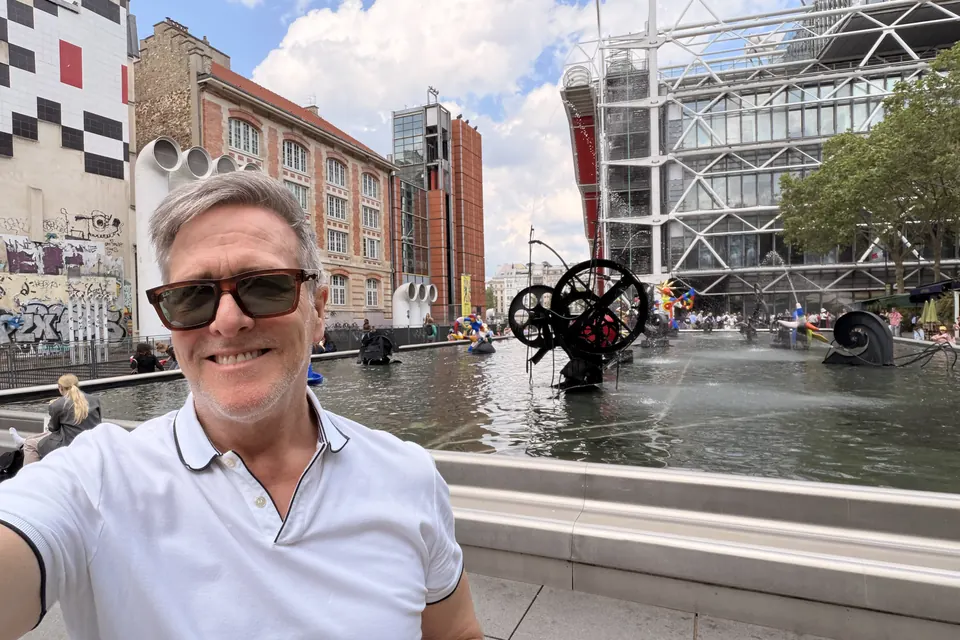
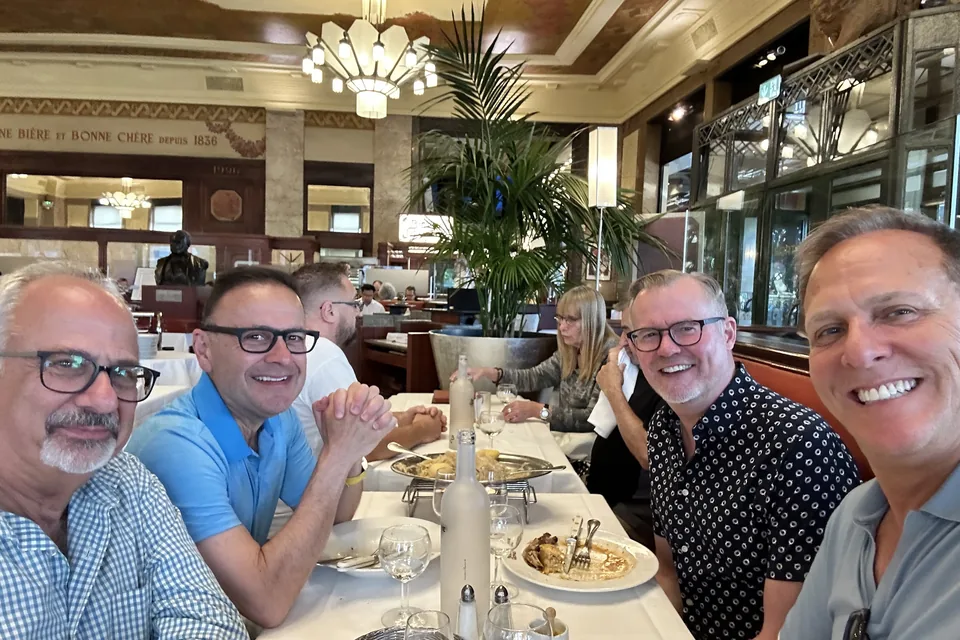
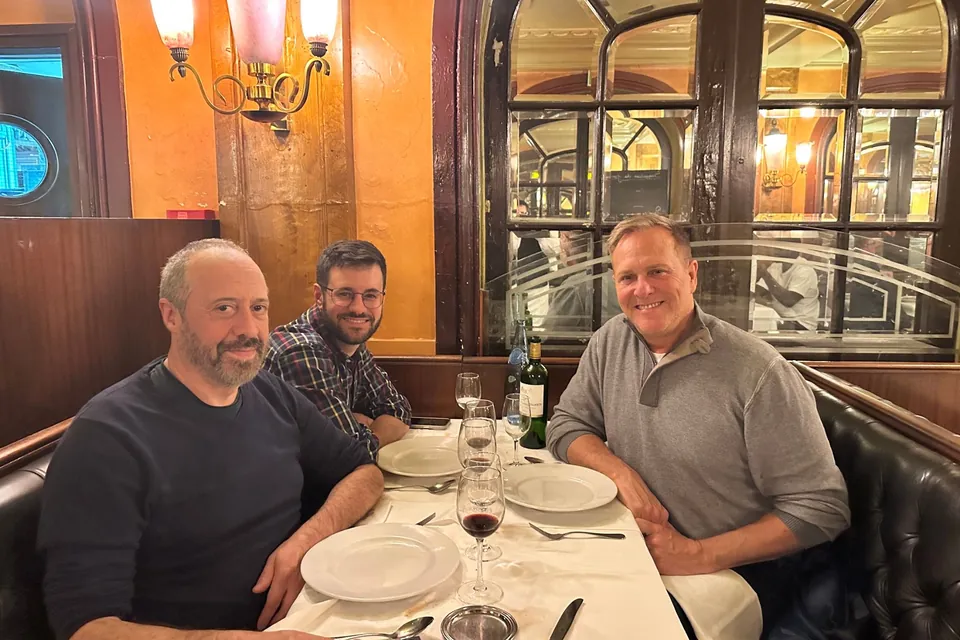
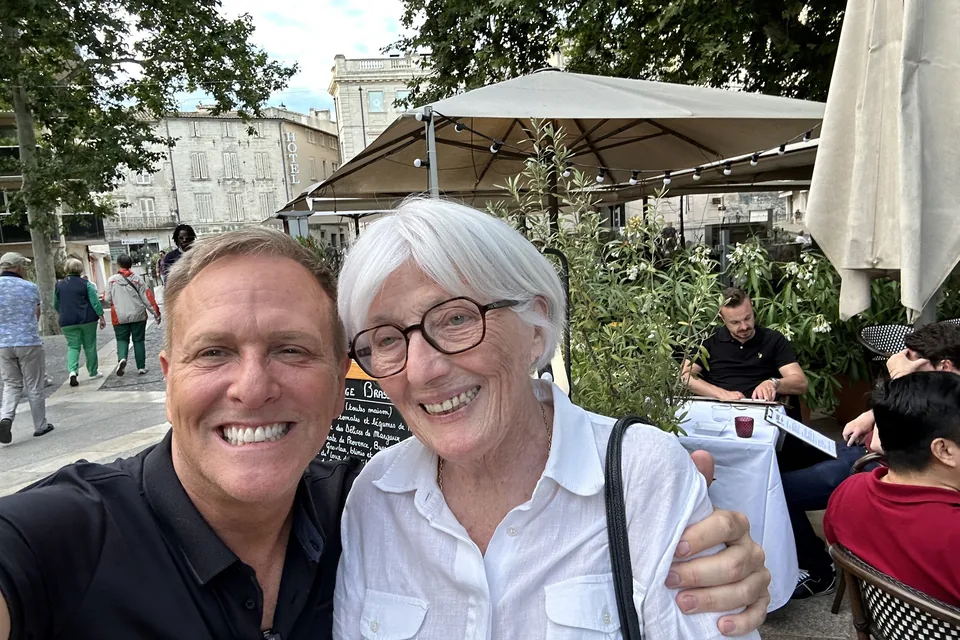
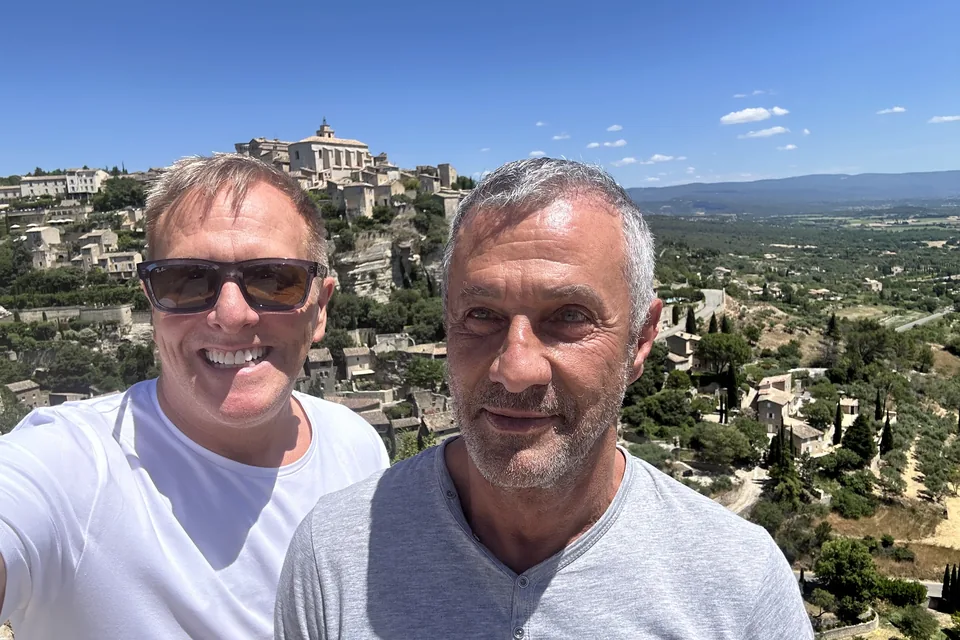
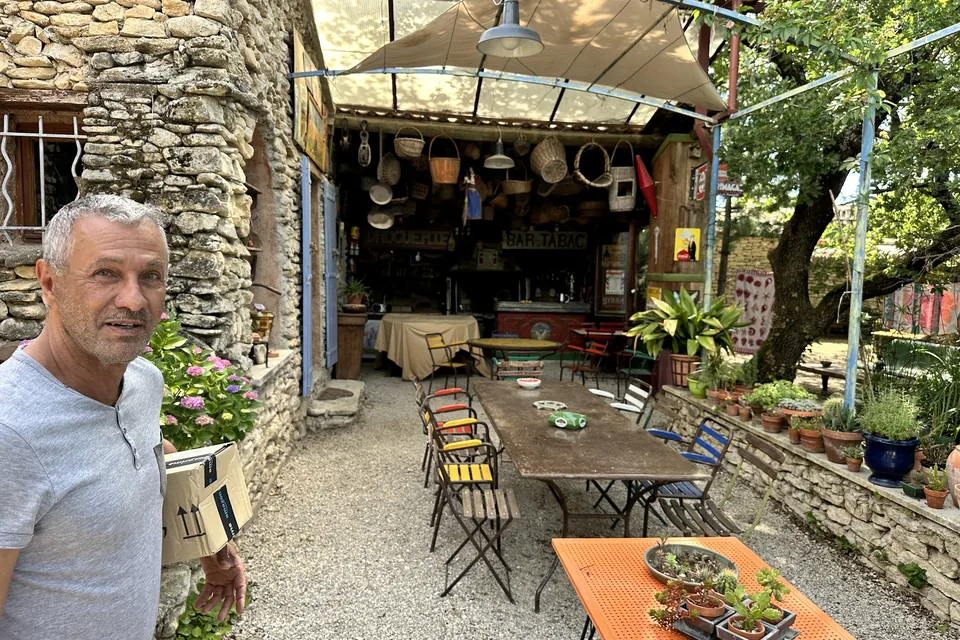
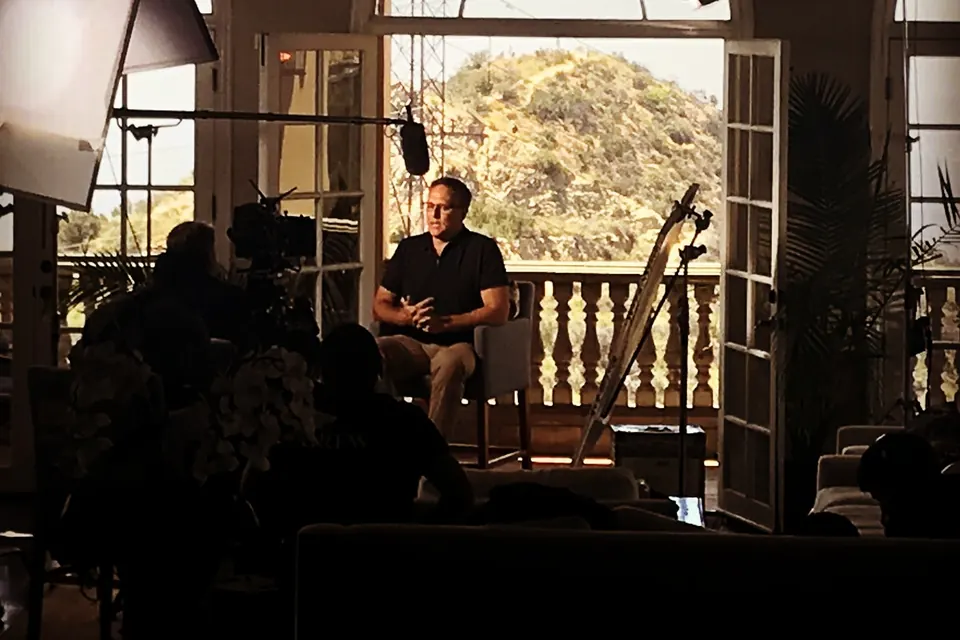
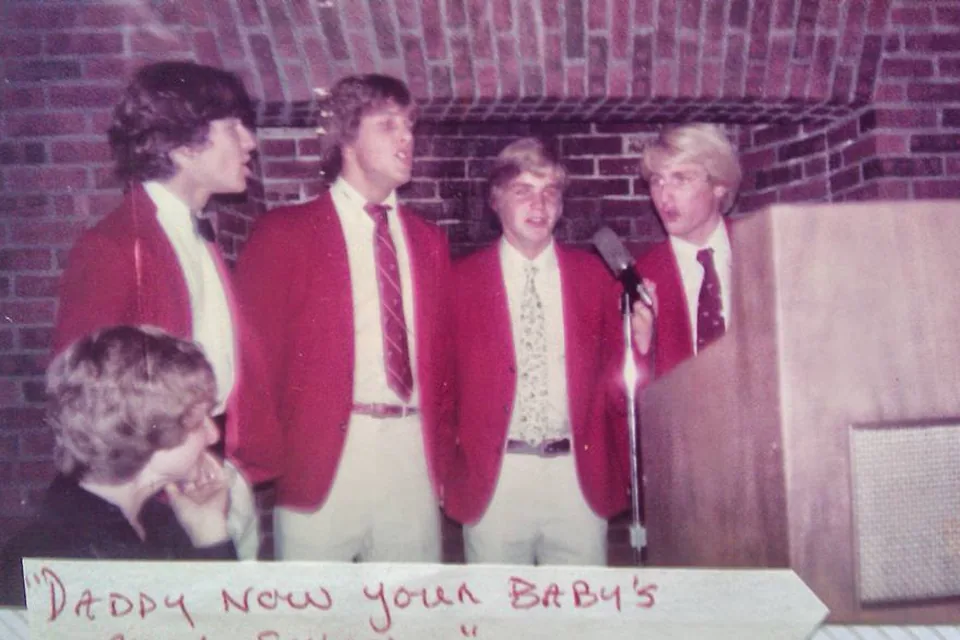
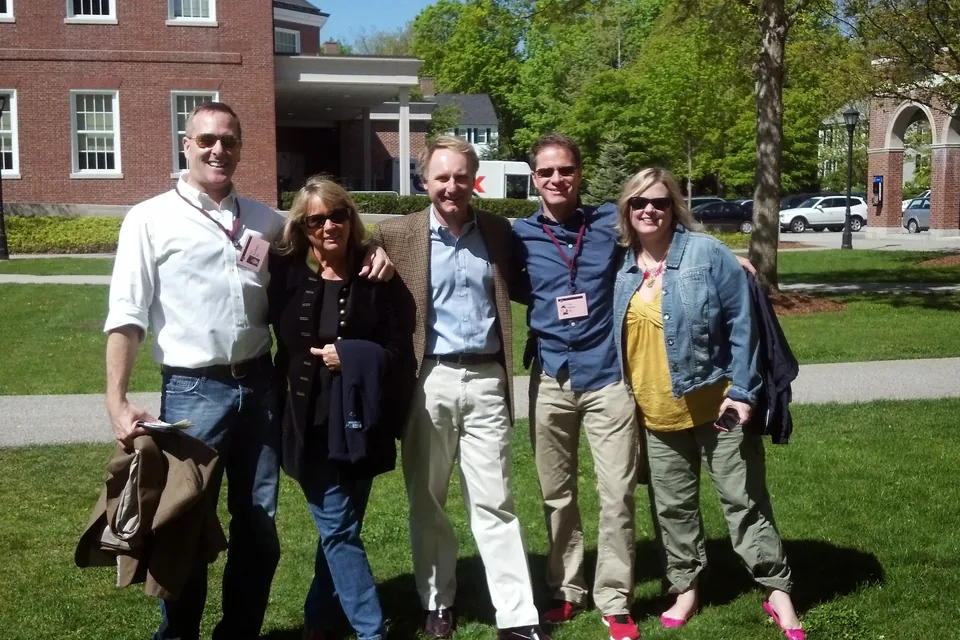
There's also a little background, a few photos, and a short film at the bottom that explains almost nothing about my professional qualifications. Enjoy.

FitCheck

Have a role or a question?

Ask about my experience, or paste a role or project description. FitCheck explains where my background fits and where it may not, and points you to relevant work samples.

Questions are kept 30 days, without your name. Job descriptions aren’t kept.
About me Contact LinkedIn ↗
01Apps & systems

Four recent builds. Three are public. Go poke at them.

I built these products, wrote the specifications, designed every detail, and directed all technical development.

My apps are free to use and don't collect any personal data, so give them a spin! LiveCue is really useful. The flight simulation is fun and the views of the ship in space are spectacular. I keep working on them so let me know what you think!

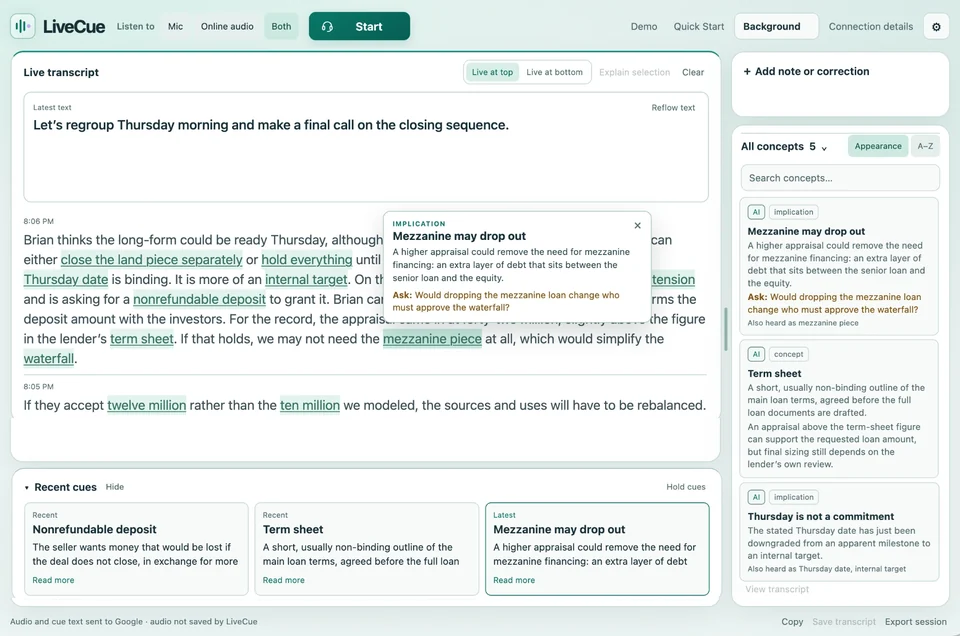
LiveCue during its demo: a live transcript of a financing discussion with terms underlined, a pop-up explaining that the mezzanine loan may drop out with a question to ask, and a concepts panel on the right.

LiveCue

Chrome or EdgeLaptop or phoneAudio not stored

Live transcription that explains unfamiliar names, acronyms and terms as they come up. No pretending you know what pari passu means.

Try it ↗

The demo needs no key. Live use takes your own Gemini key, kept in your browser.
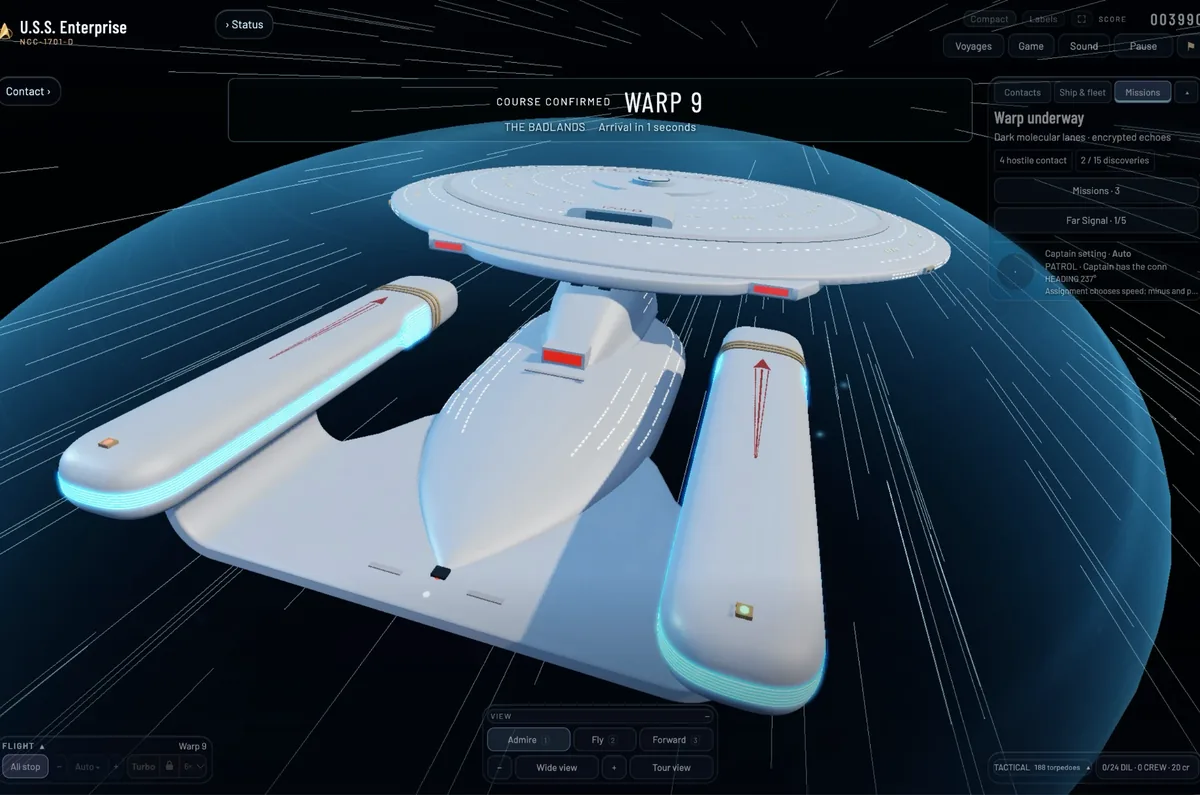
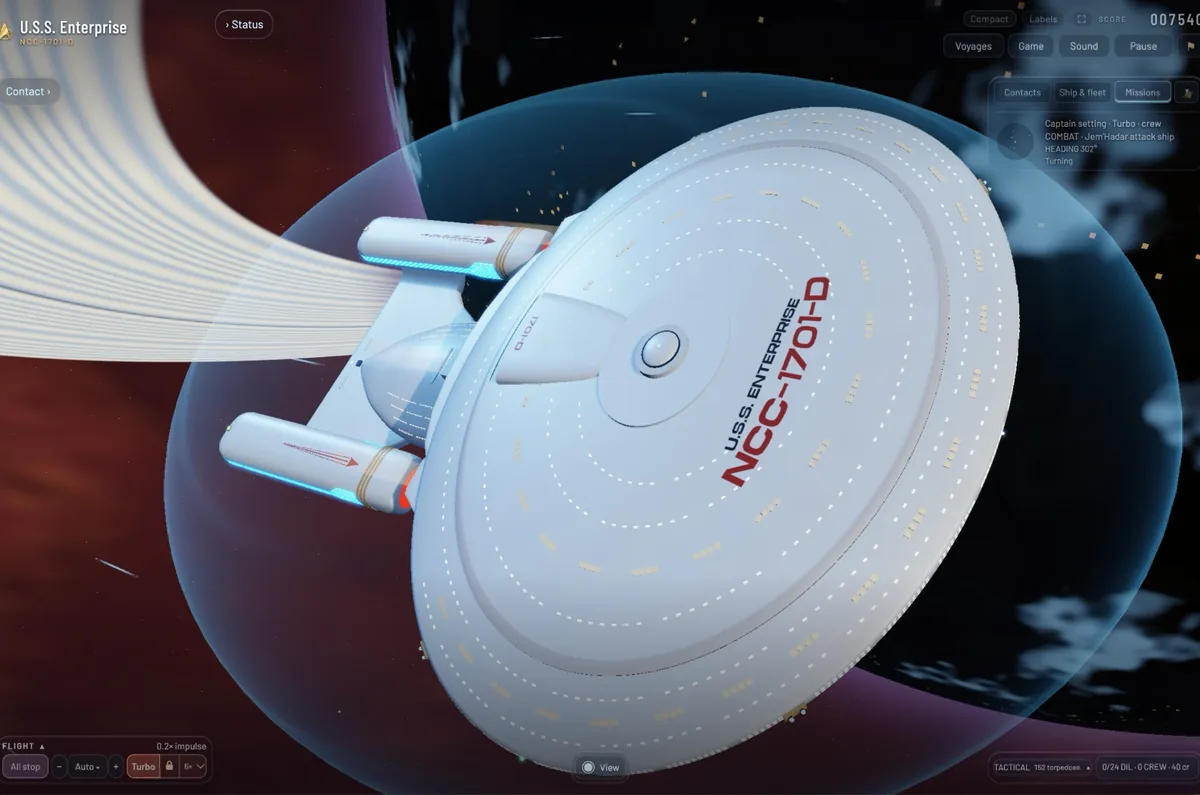
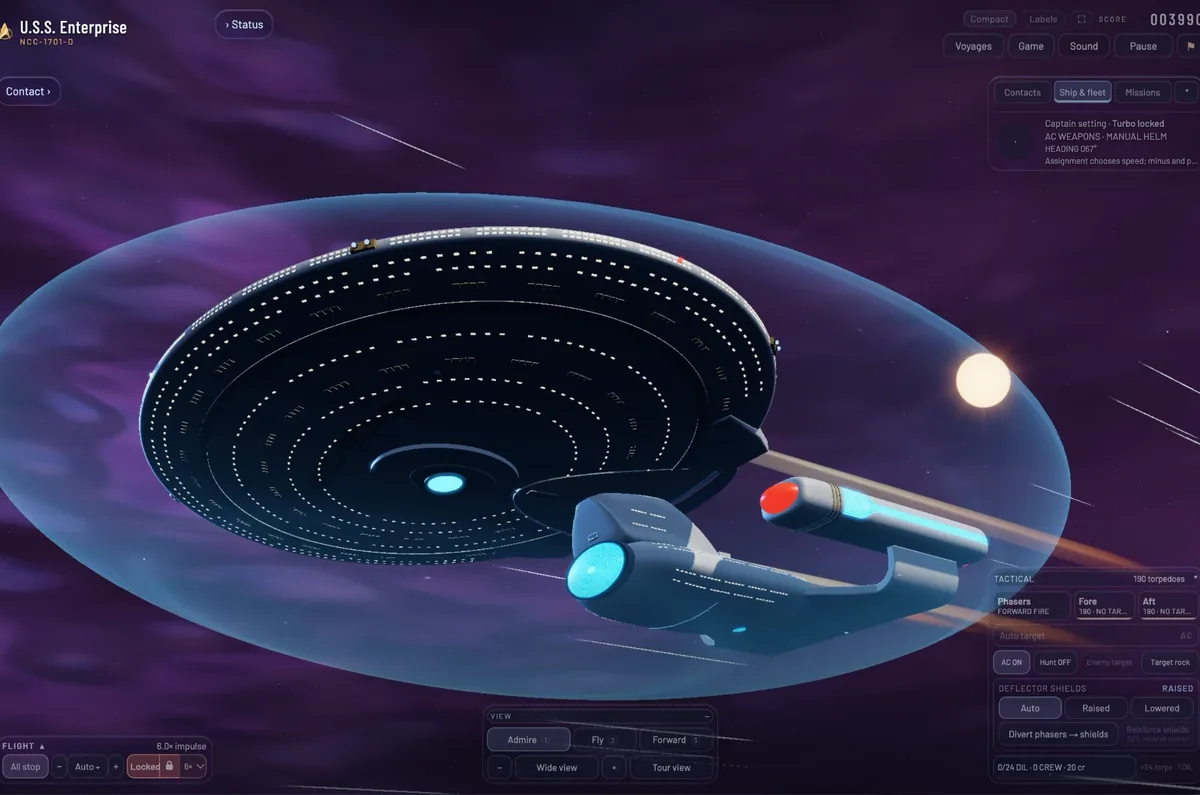
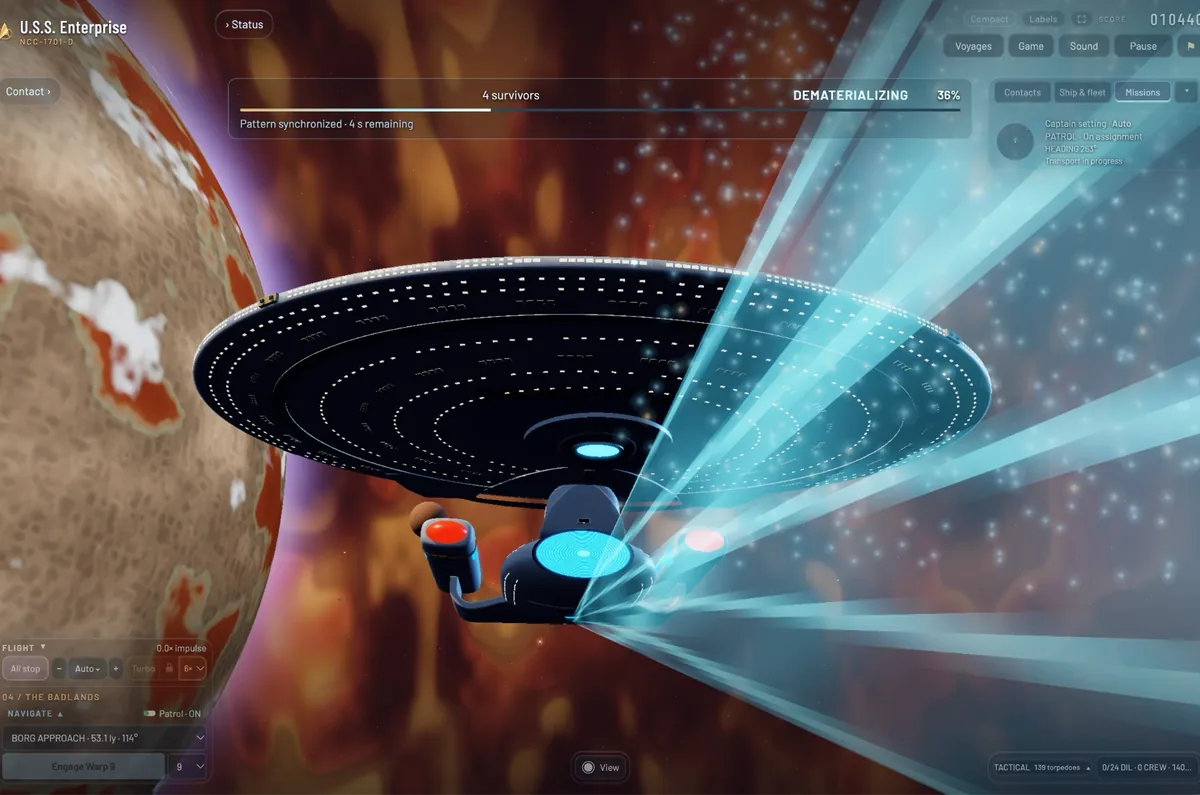
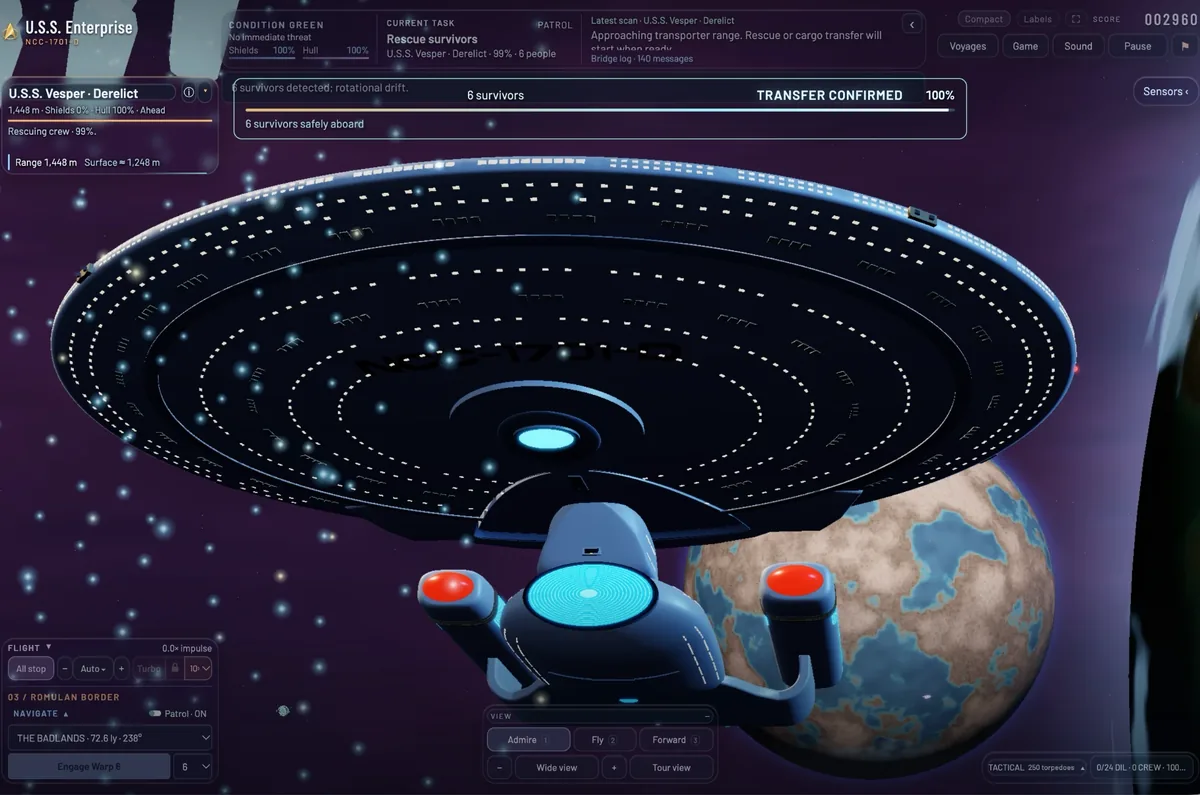
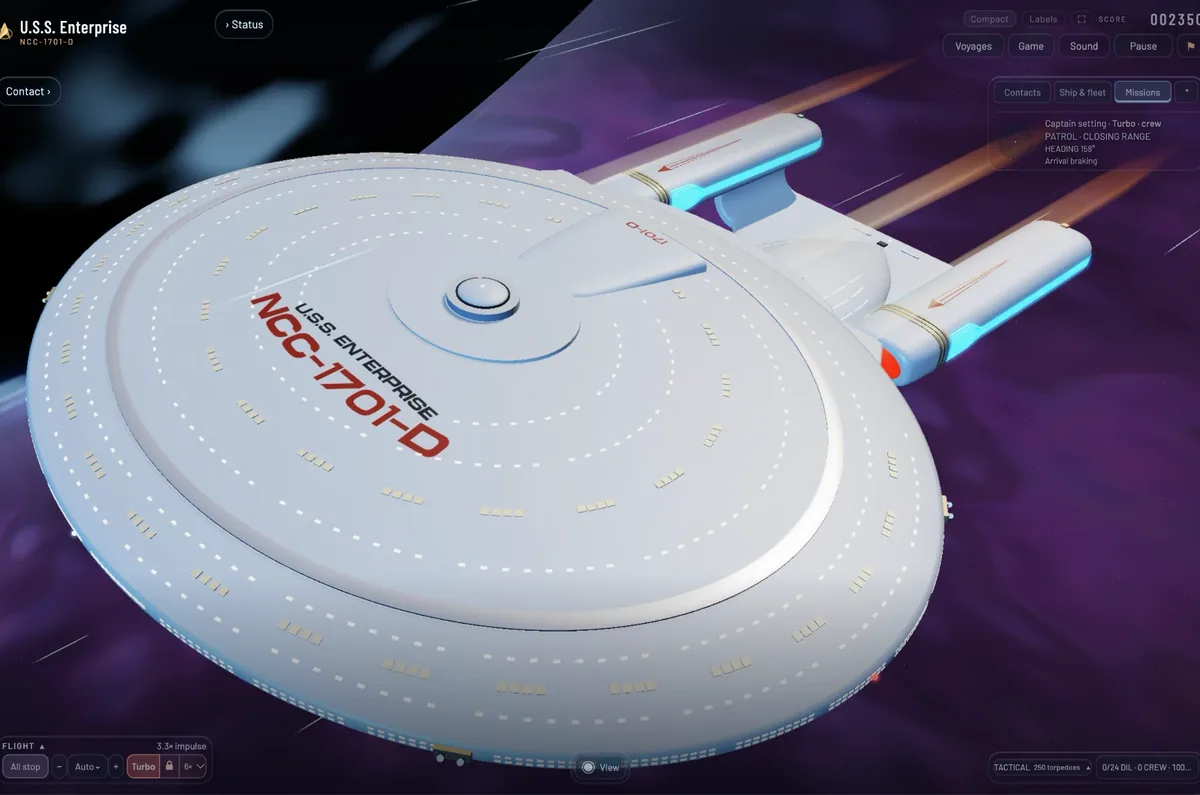
The Enterprise-D at warp 9 inside its blue warp bubble, course confirmed for the Badlands, the missions panel open on the right. The ship under its shields at the end of a warp jump, a Borg cube above it and a planet with a second ship behind. The saucer up close, U.S.S. Enterprise NCC-1701-D, turning in combat with a Jem'Hadar attack ship in front of a ringed planet. The saucer in combat, torpedoes in flight, a Borg cube at the left and a second Federation ship behind. The ship seen from below against a purple nebula, shields raised, the tactical panel open. The saucer from above inside its shield bubble, beside a Borg cube in the Badlands. The transporter beam reaching down to a planet: four survivors dematerializing, 36 percent, with the Badlands navigation panel open. The night side of the saucer during a rescue: six survivors beamed aboard from a derelict, a planet below. The saucer filling the frame as the ship brakes on arrival, the nacelles glowing behind it.

Enterprise-D Flight Deck

Any browserLaptop or phoneBuild 119

A starship flight and tactical simulator. Fly the ship yourself, or let the crew take the helm, Captain.

Try it ↗

Unofficial fan project, not affiliated with Paramount.

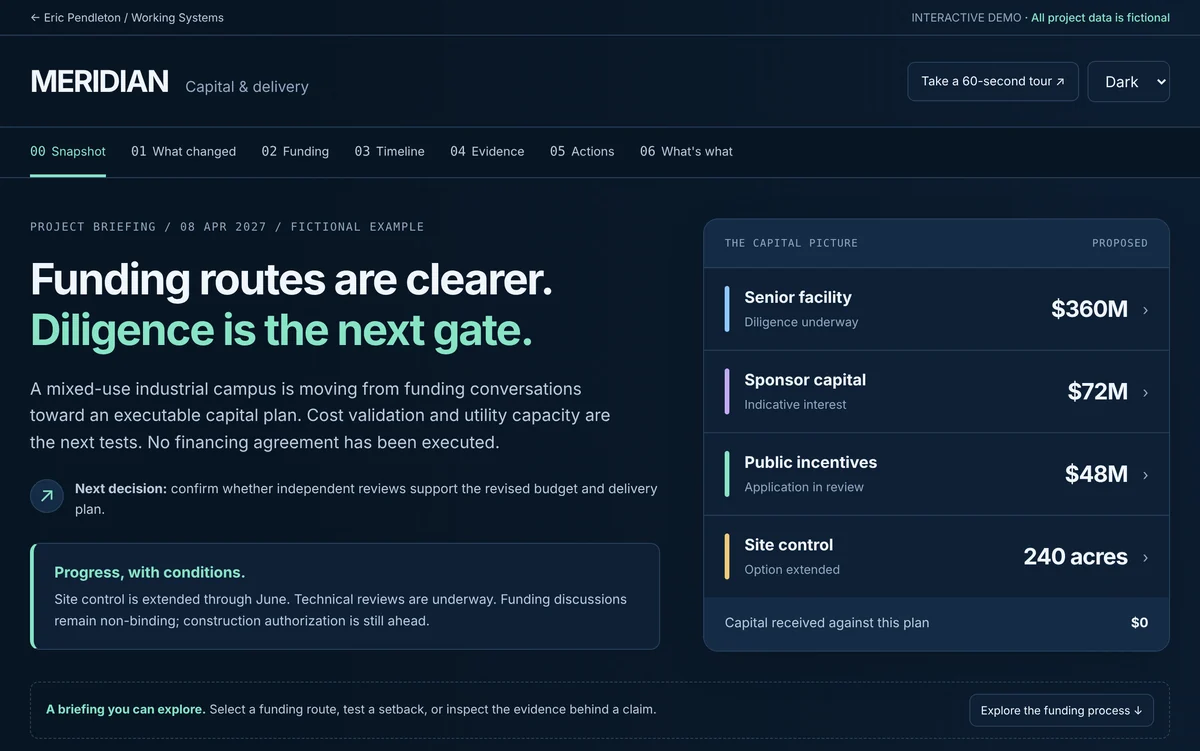
Meridian, the interactive project briefing: a fictional campus whose funding routes are clearer, with the capital picture of senior facility, sponsor capital, public incentives and site control.

Infrastructure Project Briefing Interactive demo

Complex projects throw off meetings, documents, decisions, changing assumptions and open questions.

I designed an AI-assisted workflow that turns recordings and source documents into one coherent project briefing, which I execute, check, and publish internally to my partners each week.

Fictionalized demonstration based on a real, ongoing project.

Explore the demo ↗
Le Hub: one shared record under common rules, read and written by three AI collaborators (ChatGPT, Claude, Gemini) and connected to Gmail and Drive. ChatGPT Claude Gemini Gmail Drive Le Hub

Le Hub Active deployment · Personal operating system

I was tired of hunting for emails, texts, receipts, AI chats, scans and spreadsheets across my laptop, my iPhone, iCloud and Downloads, then copying and pasting it all again just to bring an AI up to speed. That's friction. I hate friction.

So I built Le Hub: one canonical record of my active projects, priorities and decisions that every AI I work with reads and writes under the same rules. It gives my AI collaborators shared context, so I spend less time finding things and explaining the same background again.

It isn't an app, at least not yet. What runs today is the working system underneath: one shared record, common rules, and the connections to Gmail and Drive. That's the heart of the beast. The app that will sit on top is what I'm building in my free time, along with a standalone FitCheck. Both are works in progress.

02Garside's Ice Cream, Saco, Maine

The ice cream stand that became a business laboratory

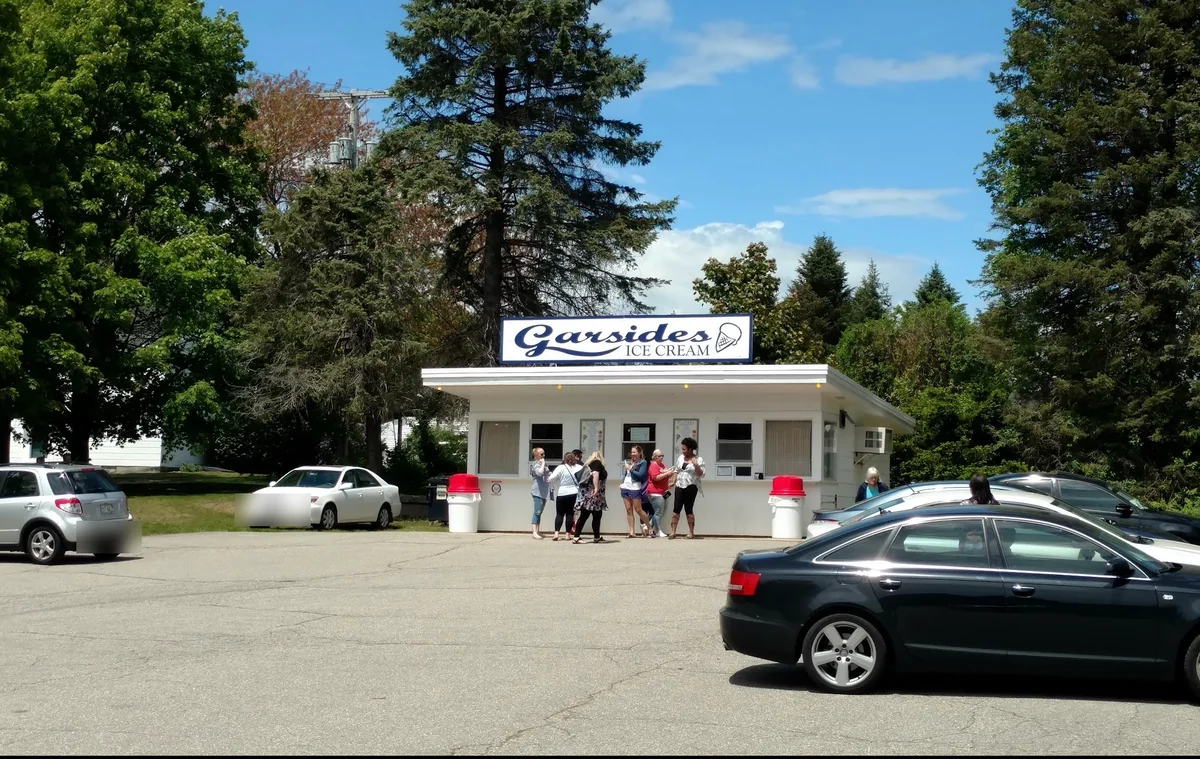
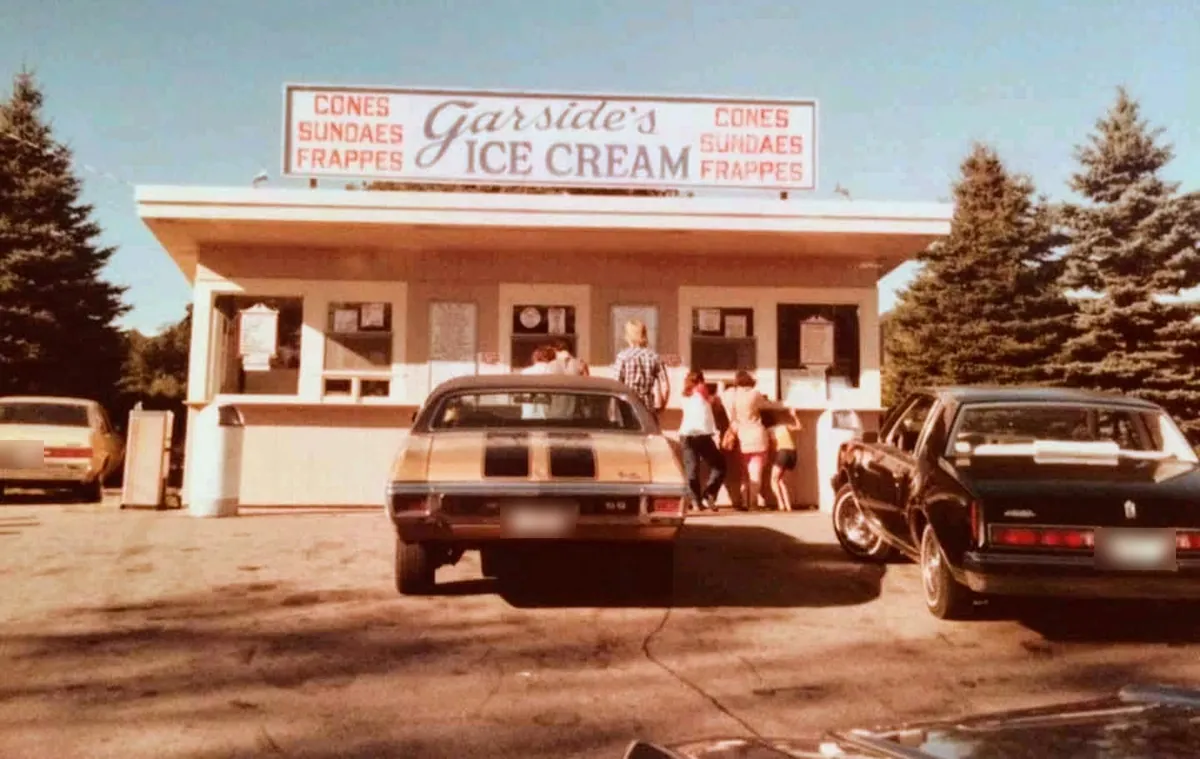
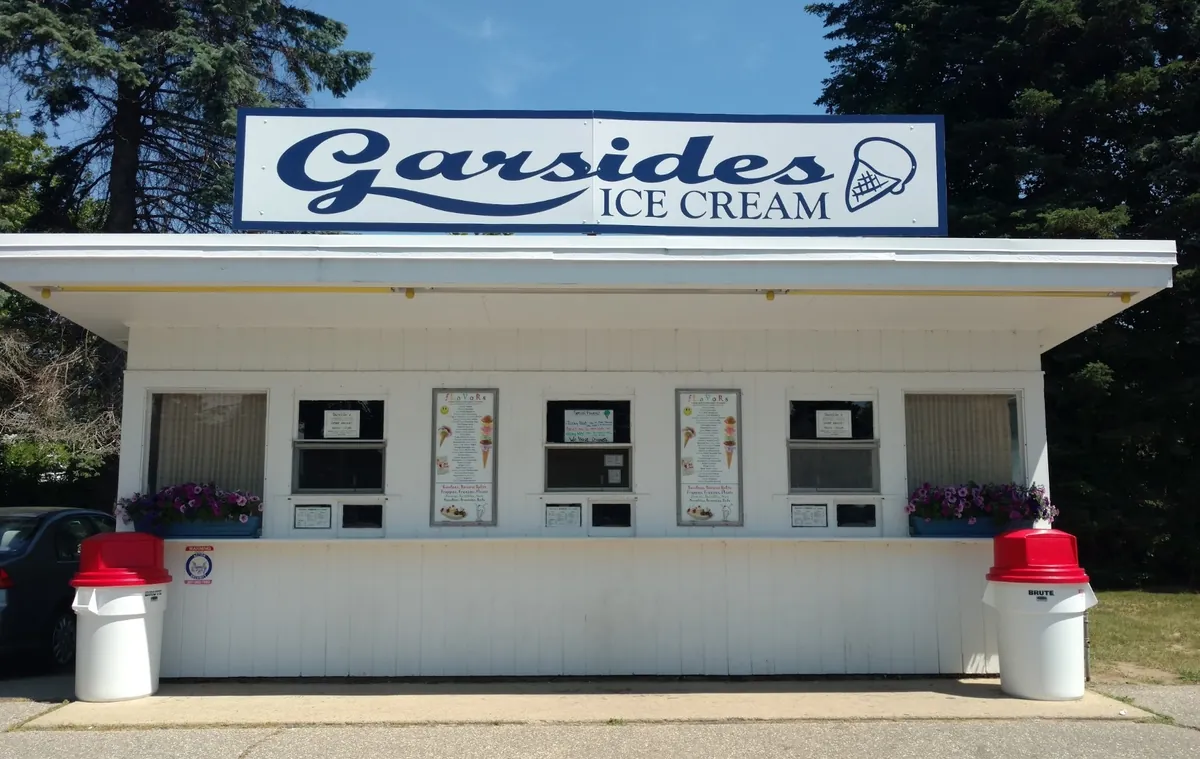
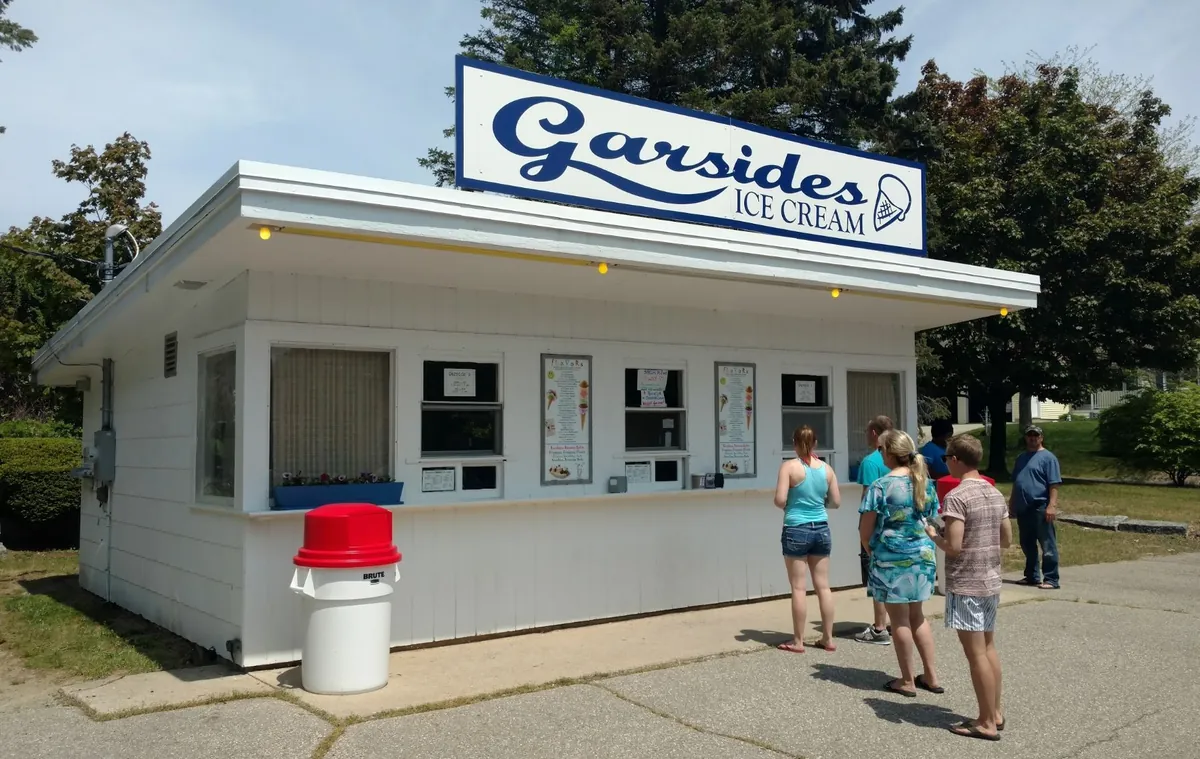
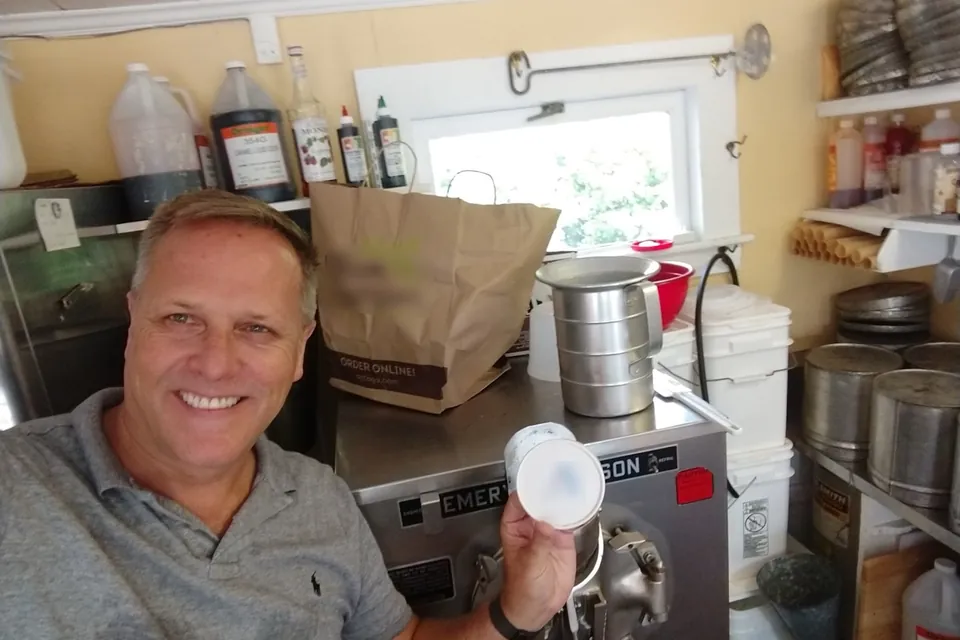
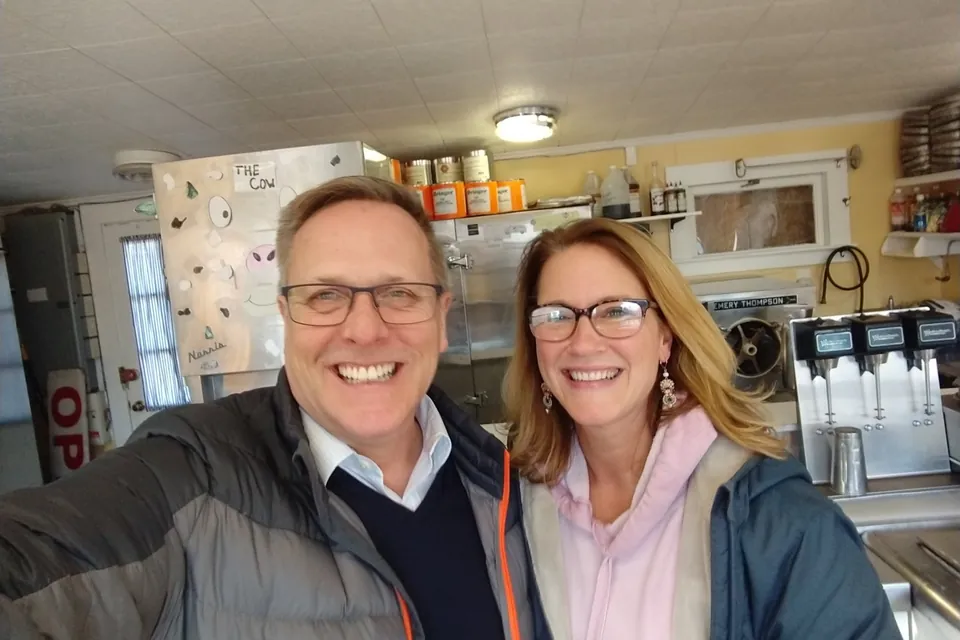
Garside's Ice Cream in Saco, Maine: a small white stand with a blue script sign and a line of customers at the serving windows on a sunny day. Eric in an apron at Garside's, making ice cream: fresh ice cream pours from the freezer's spout into a pan he holds under it. An older photo of Garside's: the stand under its red and black sign, Cones, Sundaes, Frappes, with cars of the time parked in front and customers at the windows. The front of Garside's: the white stand under its blue script sign, flavor menus in the windows, flower boxes and a red-topped bin at each end. Two Garside's staff in front of the stand, smiling, each holding out an ice cream cone. Garside's at night: the lit stand under its older sign, with a crowd of customers at the windows. Garside's from the side on a sunny day, a few customers lined up at the windows.
OperationsProduct developmentHiringTrainingEmployee manualPricingVendor negotiationsMarket research

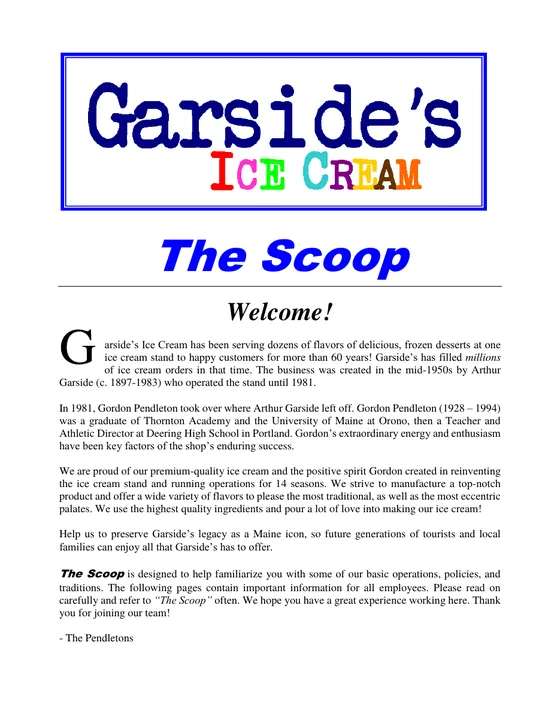
My family owned Garside's, which has made its own ice cream on Ferry Road since 1956, for decades. I developed the recipes, trained the employees, managed operations, set the prices and did just about everything else, including mowing the lawn.

When customer traffic began declining, I wanted to understand why. So I made the business the subject of my master's research: customer surveys, interviews, focus groups, vendor pricing, historical sales and weather data. The findings challenged some obvious explanations and exposed problems we could actually fix.

The resulting plan focused on consistency, product variety, customer retention and training. One immediate change, renegotiating our dairy pricing, cut a key ingredient from $26 to $16 a bag and saved more than $7,000 a season. It was a practical lesson in separating what a business can control from what it can't.

I didn't just sling ice cream. But I absolutely slung ice cream.

03Learning & performance

Before we build the training, what's getting in the way?

Before building a course, I look at what people need to do, what gets in their way, and what improvement would look like.

A customer-service manager asks for a course: "Onboarding is taking too long." Here is what three new hires said. Select what you're hearing; more than one can be true.

These sound similar, but they call for different responses. Practice might help with one; easier access to information or clearer authority might help with another.
Behind the approach
  • Learning for Competence, white paper, February 2018, sole author. The performance model and the three rings. It already argued against deviation rates as a measure of training; the rest of this panel is how I'd put it today.

  • Training Needs Analysis worksheet, 2019. Starts from the business outcome and asks which competencies are trainable at all.
  • Training Development Guide, 2019. Demonstration, supervised practice, and a signed final assessment.
04Work samples

Different audiences. Different ways in.

West Side Kitchen, Paris

Whiteboard explainer · YouTube

The same whiteboard format I used in regulated e-learning, turned on a friend's sandwich café in Paris's 17th, 25 years in business. One idea, told plainly. Friendly sandwiches. Delivered.

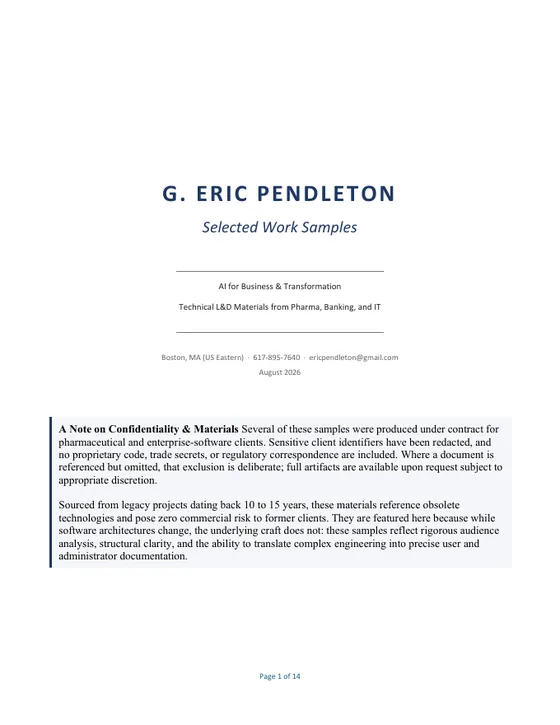
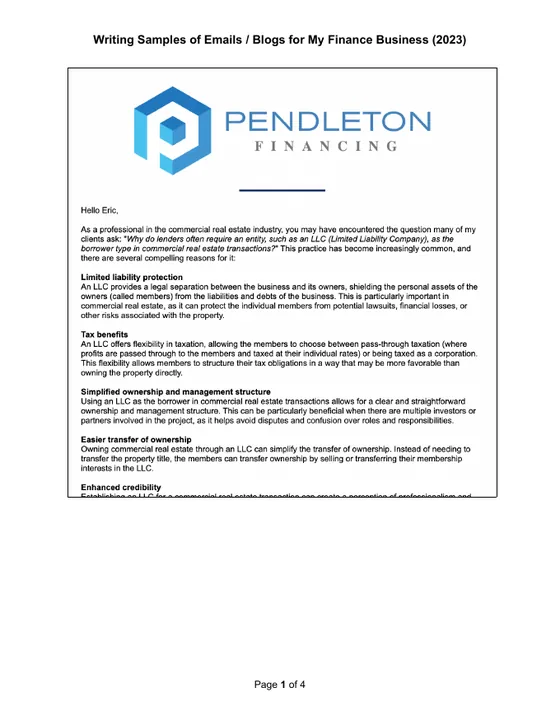
First page of the finance writing samples

Finance Emails and Blog Articles

4 pages · PDF · 0.8 MB · 2023

Four client pieces written for Pendleton Financing, my commercial-lending brokerage: why lenders want an LLC as the borrower, adaptive reuse, getting started in long-term rentals, and 1031 exchanges. Plain English for people about to sign something.

What the star ratings didn't tell us

Text analysis · Research communication · Chart design · 2017

While training manager at Luminoso, I analyzed 13,465 passenger reviews across 19 airlines to understand what travelers valued, and what went wrong. I sourced the data, conducted the analysis, wrote the story and designed the ranking chart. Inc. later covered the study and reproduced the chart.

5 Steps to Unlocking the Value in Unstructured Big Data

Article · Quirk's Media · 2017

Five practical things to do with the text nobody reads: survey comments, call transcripts, support tickets, social posts. Written for marketing researchers at a point when "text analytics" was a vendor promise more than a practice. Still holds up: the lessons are business strategy and operating habits, not the tools.

Pride at Work: Make It Worth Showing Up For

Editorial writing · Workplace inclusion · Adapted from a 2023 client draft

Practical ideas for celebrating Pride at work, from paying queer artists to making support easier to find. A client piece for Grindr through Graphite, tightened here for the portfolio.

05How I work with AI

AI made me dramatically faster. It also gave me more places to lose the thread.

During a LiveCue test, the app lost the end of a transcript. Another AI had reviewed the code and missed the problem. Here's how I tracked it down and checked the repair: choose one of the four habits I work by to see that step.

Case · LiveCue · September 30, 2026

The 56 words that disappeared.

AI can rewrite 500 pages in an afternoon. Checking page 340 is still a person’s job.

06About

A little background

I help people get up to speed, make sense of complicated information, and get things done. I develop training, write guidance people can use on the job, and build tools that make everyday work easier.

I like figuring things out: why a process takes so long, where people get stuck, what would make something work better. Then I make something useful: a learning program, a clearer explanation, an app. The satisfaction comes when someone can spend less time wrestling with the work and more time getting sh*t done. Or playing.

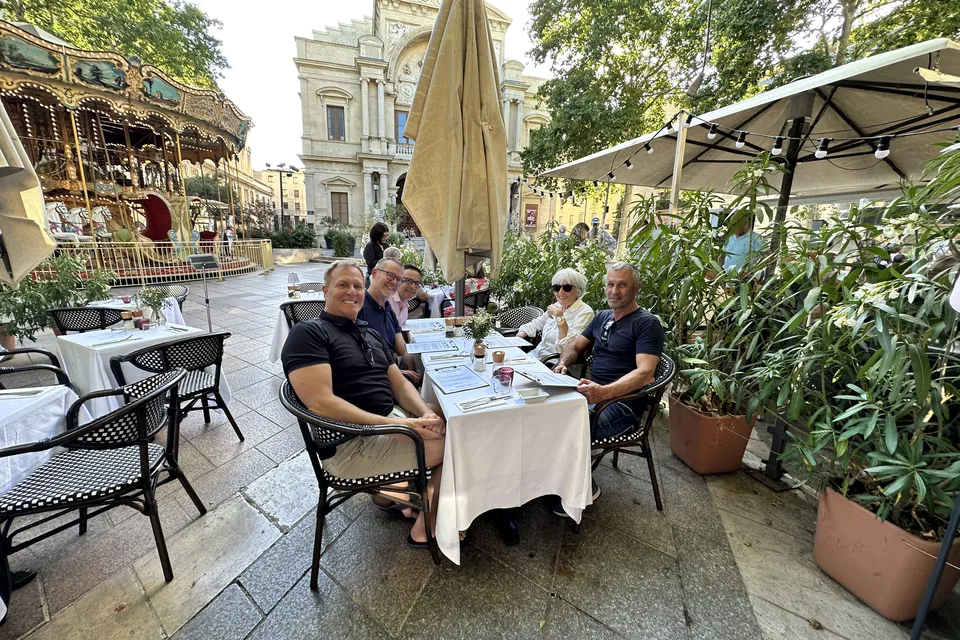
Places I've called home

The technology is new. The judgment behind it isn't.

NowI'm a partner and executive producer at Lunchbox Labs, an animation studio with a feature in production. My work spans development, production and the business side of getting a film made: preparing materials, working through decisions and helping move the project forward.

Through Lunchbox Labs, one of Gaia Eco Developments' founding owners, I also help explain the venture's projects and plans: investor communications and executive briefings on the projects, the funding strategy and what needs to happen next.

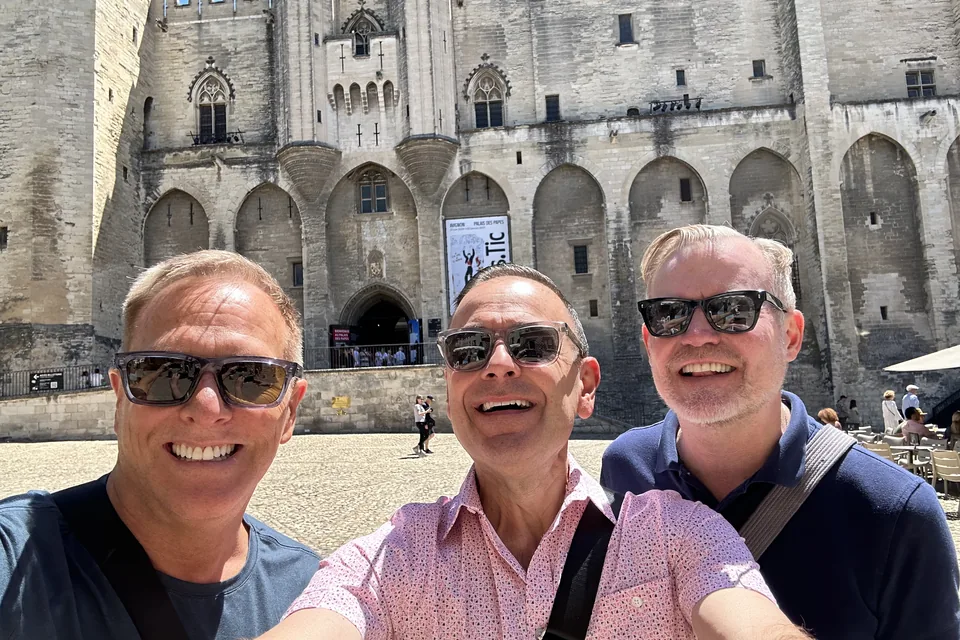
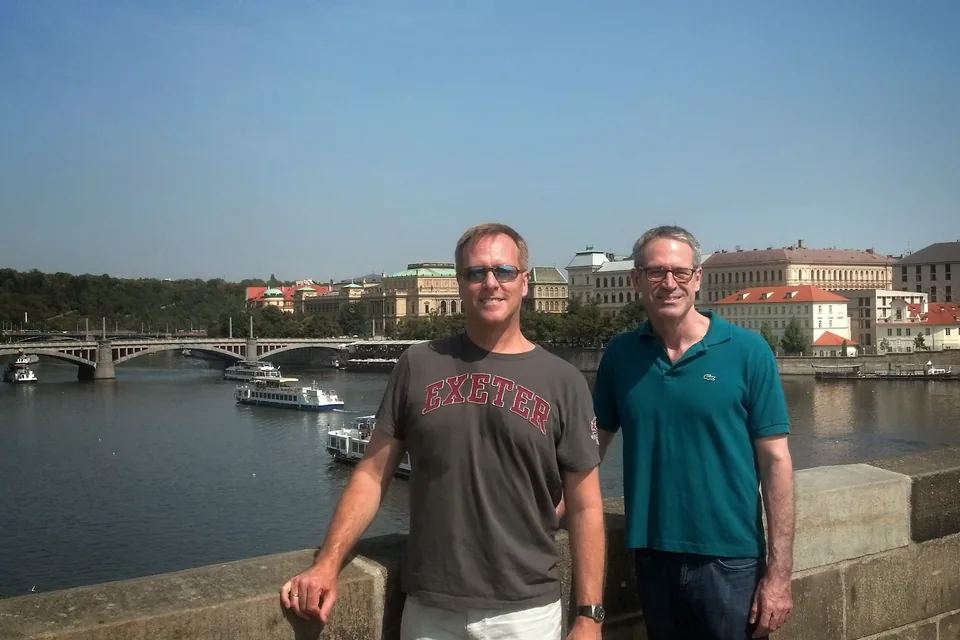
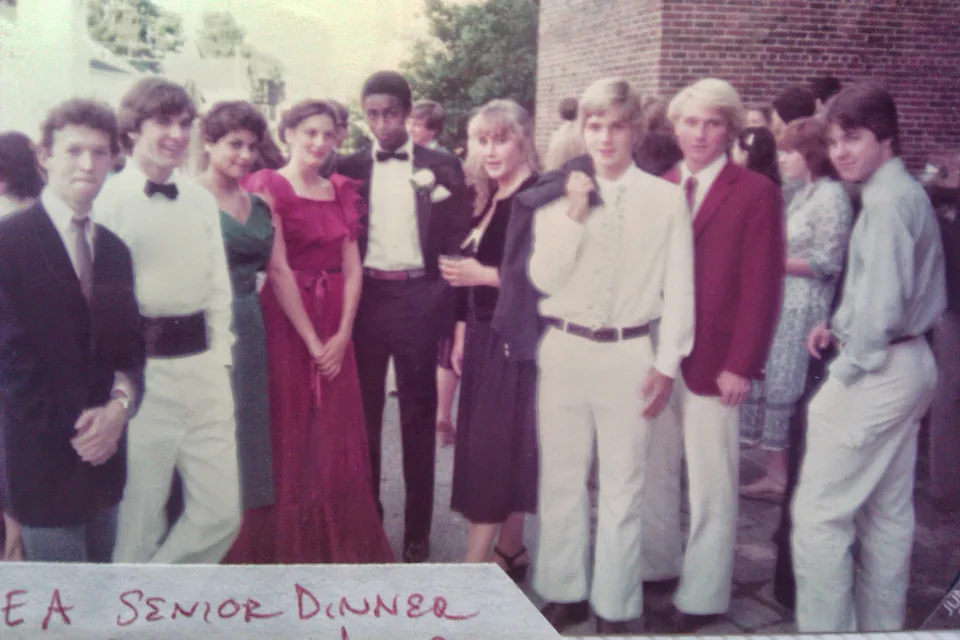
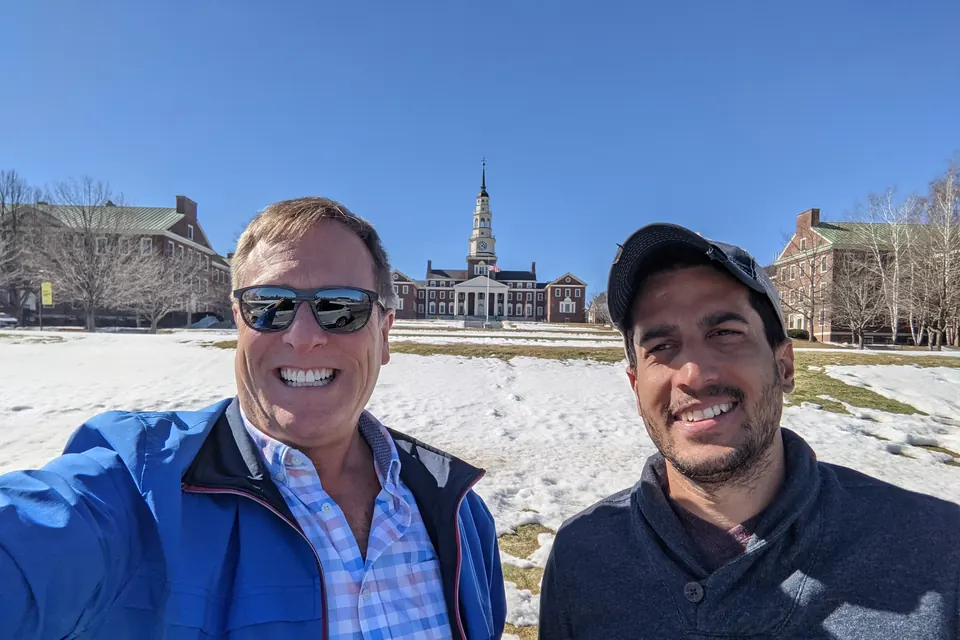
BeforeMy first job after Colby was at L.L.Bean in Maine. Teaching followed at Proctor Academy, which sent me back to France to run its term-abroad program, then graduate study and teaching at Washington University in St. Louis.

After six years in academic teaching, I moved into business, working in corporate communications and company-wide English training at bioMérieux in Lyon.

Back in the US, I worked across pharmaceuticals, banking, technology and government. At Takeda, Alexion, Shire and Citizens Bank, my projects included an enterprise train-the-trainer program, training and role-based qualification for regulated pharmaceutical work, and a knowledge system to help lending professionals navigate an internal credit-risk platform used by thousands of active daily users: loan officers, credit analysts and lending managers.

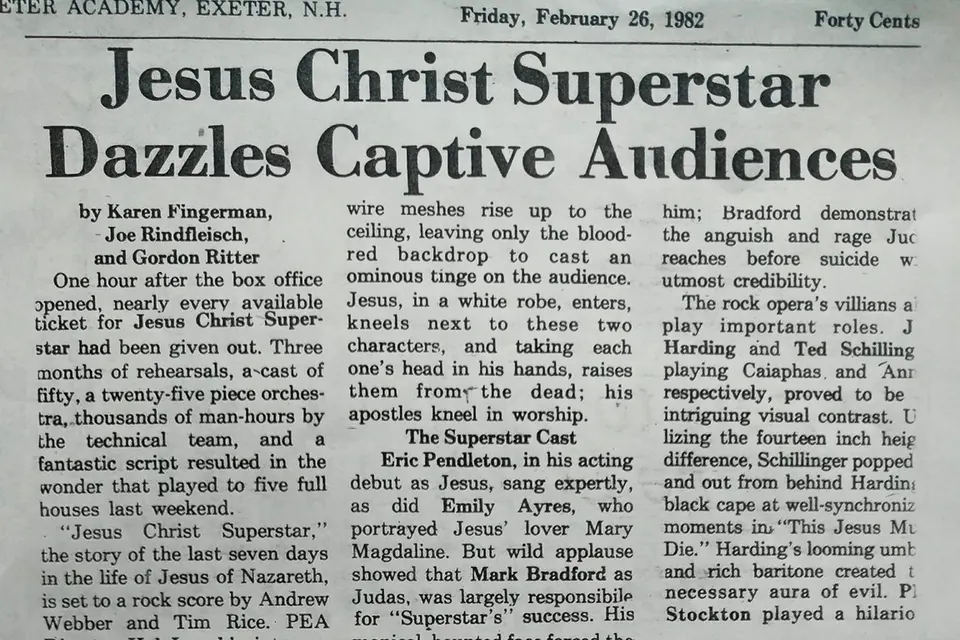
Along the way

07Contact

What do you have in mind?

Tell me what you're working on. Let's see where I can help. Available for contract, project and fractional work.

Thanks for stopping by!

Executive communications · Learning and enablement · Research · Technical writing · English–French translation · AI-assisted workflows

LinkedIn ↗ Boston · remote · fluent French
International Man of Some Mystery
Work sample · Luminoso · 2017

What the star ratings didn't tell us

Text analysis · Research communication · Chart design

Best airline? For what?

An overall star rating can hide very different experiences. While training manager at Luminoso, I analyzed the text of 13,465 Skytrax reviews of 19 global airlines across eight categories, to separate what passengers said about service, comfort, food, value and the rest of the journey.

Getting the data

The data wasn't ready to use. Finding a way to obtain it was part of the work. I worked through the practical obstacles, sourced the review data, and used Luminoso's text-analysis products, Analytics and Compass, to turn it into findings people could understand.

Ranking chart: airlines ranked 1 to 17 in eight categories (good food, great customer service, entertainment options, comfortable seats and legroom, nice lounge, smooth check-in, too many or high fees, overall good value), from most to least associated in the reviews. Qatar Airways is first for food, seats, lounge and check-in; Swiss for customer service; Lufthansa for entertainment; Spirit first for fees and for value, last in the other six.
The complete results: for each category, the airlines from most to least associated with it in the reviews. Ranking chart designed by Eric Pendleton for Luminoso, 2017; reproduced by Inc. Full size ↗

What it found

A historical dataset: the results describe those reviews, not today's airlines.

My contribution

Data sourcing, text analysis, interpretation, article writing and ranking-chart design. The article was published under Luminoso's company account without an individual byline.

What happened next

Marketing told me this study generated more traffic than all the company's other marketing pieces combined over the previous two years. Inc. built a column around it and reproduced the chart in full.

Work sample · Editorial writing

Pride at Work: Make It Worth Showing Up For

Revised portfolio edition, based on a 2023 client draft prepared for Grindr through Graphite.

A good workplace Pride celebration gives people something to enjoy, something to learn and a reason to believe the company means what it says.

That takes a little more thought than ordering rainbow cupcakes. Who gets to shape the program? Are employees welcome to participate without being expected to disclose anything about themselves? Does the support continue when June ends?

Start by asking LGBTQ+ employees what would be useful. Give them time and resources to help shape the answer, if they want to. Then build a program with room for celebration, conversation and practical action.

Ten ways to make Pride matter at work

  1. Put people behind the program

    Invite your LGBTQ+ employee group to help choose the activities and priorities. If you don't have one, offer a voluntary planning group with a budget and an executive sponsor. Participation should be a choice, not another unpaid assignment handed to the same enthusiastic people.

  2. Make the history worth learning

    Bring in a speaker, share a thoughtful reading list or organize a discussion about LGBTQ+ history. Choose a specific subject rather than trying to cover an entire movement in an hour. A local organization can help connect that history to the community outside your office.

  3. Host a conversation with a purpose

    A panel works best when it has a clear question: What makes someone a useful ally? What does belonging look like on a team? How should a manager respond when a colleague gets someone's pronouns wrong? Use a skilled moderator, welcome anonymous questions and pay invited speakers for their work.

  4. Support organizations doing the work

    Offer paid volunteer time or match employee donations to LGBTQ+ organizations. Ask those organizations what they need before designing a company activity around them. A reliable contribution may be more useful than a large group arriving for one afternoon.

  5. Give queer artists an audience, and a fee

    Commission an illustration, host a performance or invite an artist to discuss their work. A small exhibition or screening can introduce people to perspectives they wouldn't otherwise encounter. Build compensation into the budget from the beginning.

  6. Leave room for fun

    Pride can include drag bingo, a film night, a playlist, a potluck or a genuinely good trivia game. Choose activities people can join comfortably, including remote colleagues. Offer options that don't revolve around alcohol, and make attendance voluntary.

  7. Turn good intentions into everyday skills

    Give colleagues practical ways to handle ordinary situations: introducing a partner without assumptions, using someone's name and pronouns, correcting a mistake without making a production of it or responding to an inappropriate joke. Short scenarios and useful language can do more than a long presentation on respect.

  8. Connect people across the organization

    Offer mentoring and professional-development opportunities that LGBTQ+ employees can help shape. Give the program a clear purpose, whether that's navigating a career change, preparing for management or meeting colleagues outside an immediate team. Protect participants' privacy and let them decide what to share.

  9. Check whether support is easy to find

    Can employees locate relevant benefits, wellbeing resources, employee groups and reporting channels? Put that information somewhere people can use it without having to ask a manager a personal question. Have the appropriate specialists check it for accuracy.

  10. Decide what continues in July

    Choose a few commitments with an owner and a date: fund the employee group, improve a resource page, arrange follow-up learning or address a problem employees have raised. Tell people what will happen next, then report back. That follow-through gives the celebration substance.

Before you send the invitation

Check the basics. Are the venue and materials accessible? Can remote colleagues take part? Have you made clear that employees can attend without sharing personal experiences? Ask permission before photographing people or identifying them in public communications.

You don't need twenty events. You need a few that are welcoming, well run and connected to how people are treated at work.

Let Pride be joyful. Give the joy something solid to stand on.